


Polygenic Screening
Risks for complex adult
health conditions
(e.g., diabetes, heart disease)

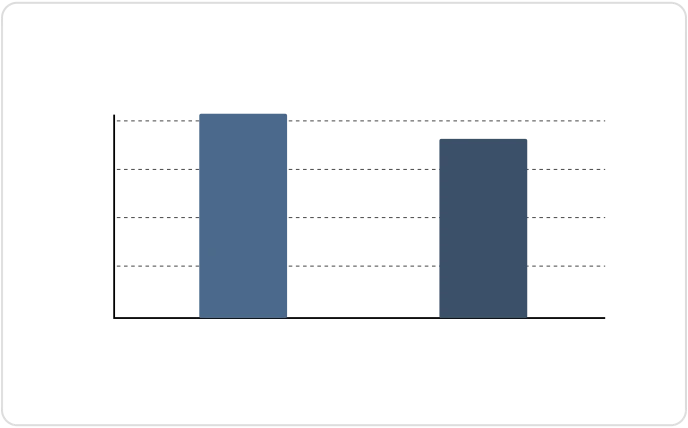
Example report values.
| Embryo 1, age 84 | 9.0% |
|---|

Behavioral and statistical geneticist whose academic work combines polygenic scores and machine learning to study how genetics shapes disease traits and cognitive ability.

Statistical geneticist with a background in computational biology and statistics. Alex has pioneered within-family study designs that separate direct genetic effects from indirect effects and confounding.

Statistical geneticist whose PhD research focused on psychiatric genetics, neurodevelopmental disorders and the genetics of schizophrenia.

Executive Lab Director for Herasight, Justin is a board-certified clinical molecular geneticist with extensive experience in clinical genomics, laboratory leadership, and translational diagnostics.

Board-certified reproductive endocrinologist based in Beverly Hills. Widely known as the go-to fertility expert for high-profile clients—including the Kardashian family.

World-renowned reproductive endocrinologist based in San Diego with over 25 years of experience specializing in complex IVF, egg donation, and third-party surrogacy.

Dr. Aimee Eyvazzadeh is a world renowned IVF doctor based in San Francisco. She hosts The Egg Whisperer podcast and is recognized for her patient-centered, innovative approach to reproductive medicine.

Dr. Allen Buchanan is professor emeritus at Duke University. He served on the Presidential Bioethics Commission, and is the author of three books on the ethics of reproductive technology.

What to ask any genetic testing provider before screening for rare or complex conditions.
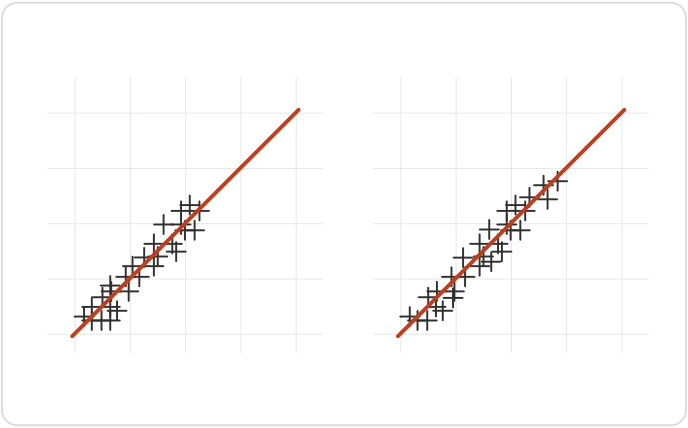
Polygenic scores capture correlations between genetic variants and traits; we do not know precisely how they predict disease risks. But we do know that if a polygenic score accurately predicts differences in disease risk between existing adults, especially among siblings, it should also be able to predict future disease risk in embryos (which are potential future siblings).
Many companies skip the most critical validation step: testing whether polygenic scores work when comparing siblings. Since embryo screening requires predicting differences in disease risk within your family — not across strangers — we validate our scores on actual family data. If a company can't show you within-family validation, their scores haven't been shown to work for embryo screening.
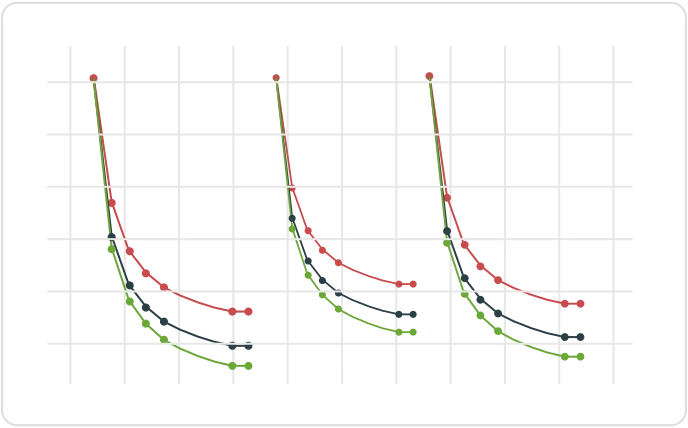
Most polygenic scores are trained primarily on people with European ancestries, leaving everyone else with potentially inaccurate predictions. We rigorously test the performance and calibration of our models across diverse genetic ancestries using advanced statistical techniques. This ensures accurate disease risk prediction for your family, regardless of background.
If a company does not report ancestry-specific validation data, their scores likely won't work well for parents with non-European ancestries (and they're probably hoping you won't ask).
Family history reveals disease risks that polygenic scores alone don't capture. Our genetic predictors integrate comprehensive family medical history, creating risk predictions tailored to your family. If a company doesn't ask about your family history, they're missing essential context, giving you an incomplete picture of disease risk.
Carrier screening panels can test thousands of genes, but medical authorities like the American College of Obstetricians and Gynecologists (ACOG) and the American College of Medical Genetics and Genomics (ACMG) have identified specific genes that should always be included because they are linked to common, serious conditions. Two of the most critical examples are CFTR, associated with cystic fibrosis, and SMN1, linked to spinal muscular atrophy, a severe neuromuscular condition appearing in infancy.
Some companies may try to impress you with hundreds of genes, while they fail to include essential ones. When choosing a carrier screening test, confirm first that the panel includes high-priority genes identified by established medical guidelines.
Many people assume carrier screening panels include genes like BRCA1/2 (breast and ovarian cancer risk), but most don't. The ACMG maintains a list of medically actionable genes (termed “secondary findings”) that increase disease risks in the person being tested, not just their future children. While carrier screening focuses on recessive and X-linked conditions you could pass on, secondary findings are also medically relevant for you and your partner and can be potentially life-saving.
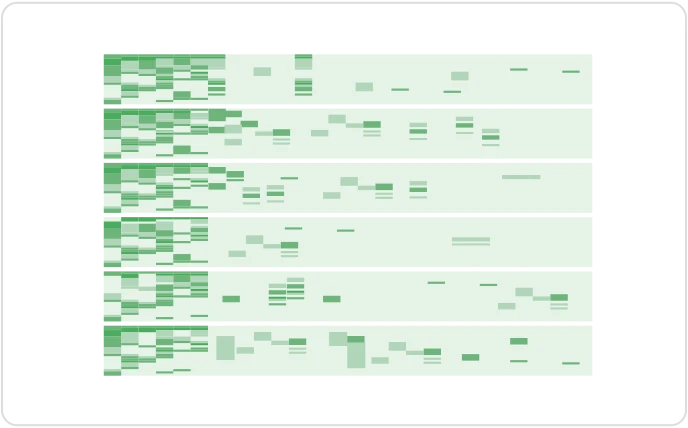
Certain regions of the genome are difficult to map. Different sequencing technologies have different advantages and limitations for mapping the genome. Most companies rely on short-read sequencing which covers much of the genome but fails to reveal certain types of variation. It often misses repeat expansions and copy number variants, which are responsible for serious conditions like Fragile X syndrome and spinal muscular atrophy.
Many companies claiming they sequence >99% of your genome cannot actually map your whole genome. Long-read sequencing can detect these hard-to-call variants more reliably, but it is rarely used in routine genetic testing. Ask your provider: Can you detect repeat expansions and copy number variants? If they only use basic short-read sequencing, they're likely missing critical genetic variations.


